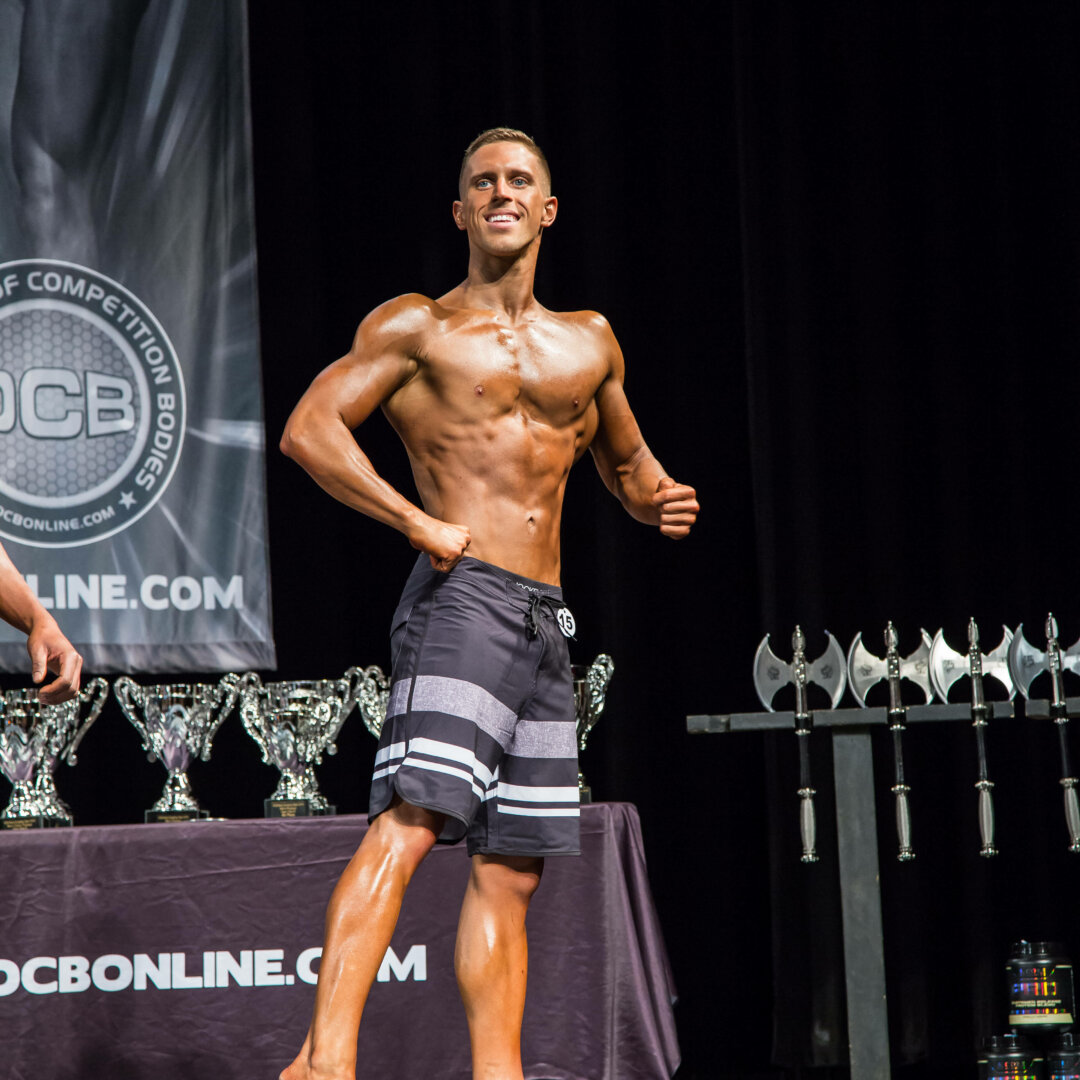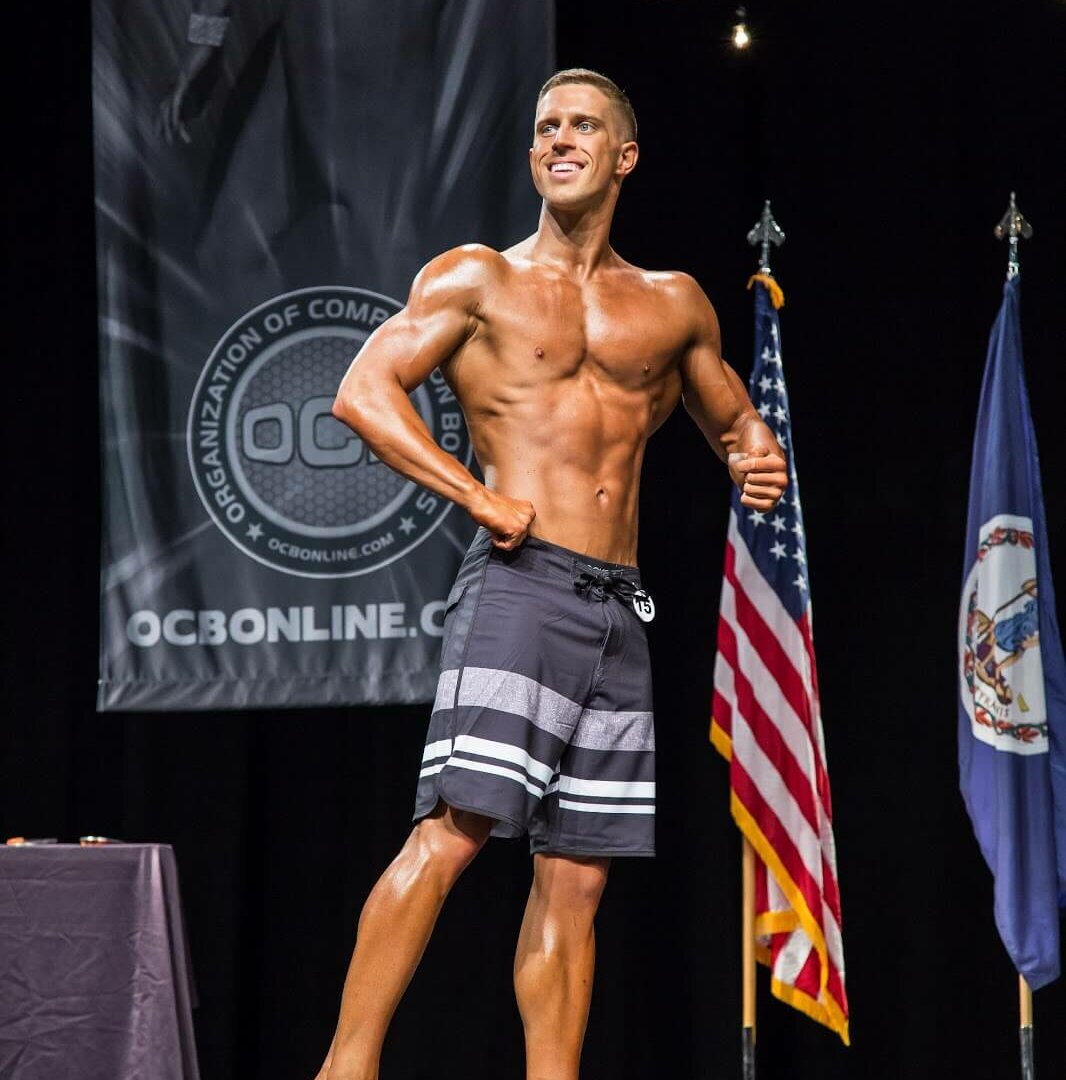
I began writing this article shortly after finishing a men’s physique season. I competed because along with genuinely enjoying the sport, it’s important as an online coach to periodically go through extensive dieting phases myself. Something that really helps me stay grounded in what my clients experience, and test out strategies I can then implement to better help them. One of the single biggest benefits to dieting myself is being reacquainted with the mental challenges it can create.
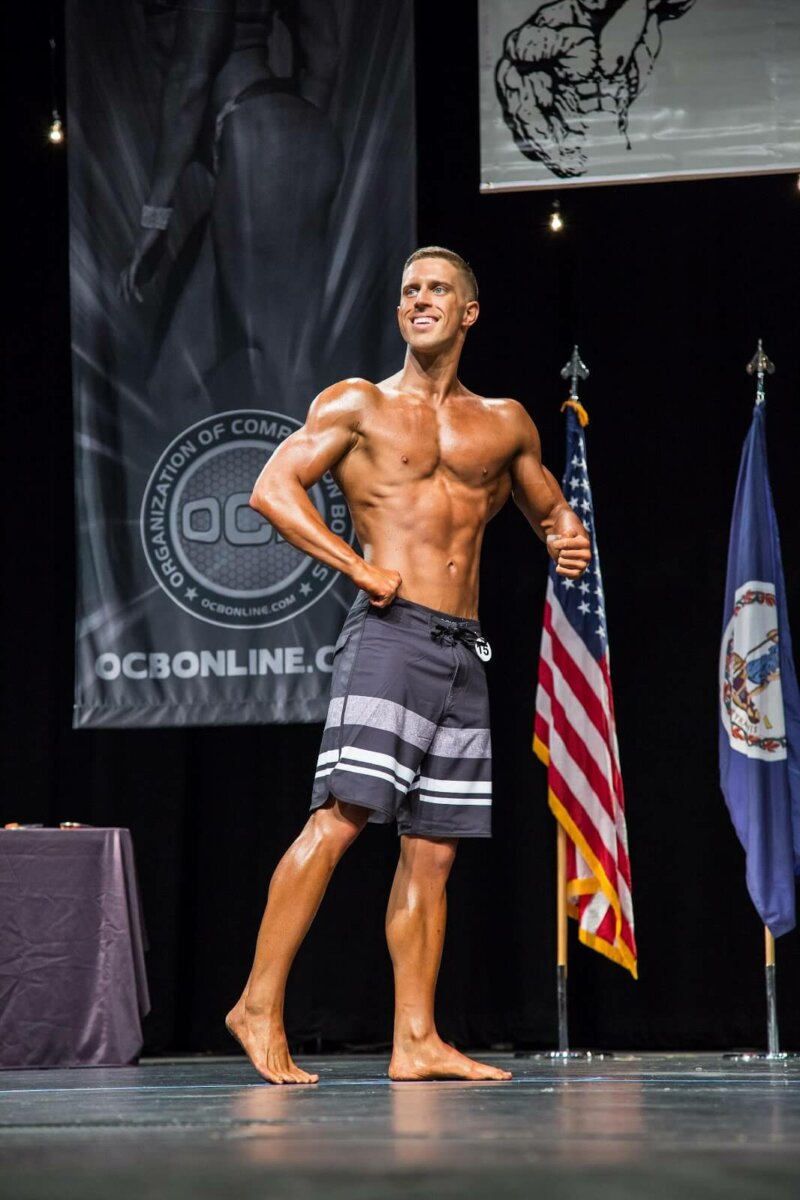
I finished my season in, aesthetically, the best shape of my life. I took home a solid 2nd and 3rd place finish, and was really happy with what I accomplished for this stage in my career. Frankly, I wasn’t bad to look at. But as soon as the season wrapped up, I began purposefully gaining some weight back. A reverse dieting process I’ve covered in more depth in my articles, Why You Should Reverse Diet and What Science Can Teach Physique Athletes. A process that, even as a coach myself, wasn’t entirely easy to come to terms with as my detailed physique began fading away while I transitioned back into my “offseason look.”
In short, to various degrees depending on your long-term goals, after dieting you’ll likely need to gain some weight back in order to allow yourself an environment for continued muscle growth, and to regain efficient hormonal and metabolic function. [1] Granted, some populations like competitive physique athletes will need to gain more back than the general person working to improve day-to-day appearance and health, But even still, at some point we’ll either consciously, or maybe even mistakenly, gain some weight back after dieting.
Unfortunately, even in the most ideal transition, gaining weight can not only be one of the most stressful aspects of a fitness journey, but also where people tend to sabotage their long term progress and wellbeing. Below are some tips and expectations I’ve gained from coaching and personal experience, to help you navigate the many mental pitfalls that can come with post-diet weight gain.
Resistance is Futile
Stolen from virtually every alien movie ever made, “resistance is futile” is pretty good advice for post-diet weight gain, not just world domination. More so for those pursuing more extensive fat loss like physique competitions or photo shoots, it’s important to be reminded that for most, maintaining a very lean physique more than a few weeks is just not realistic.
Your favorite social media page may make you feel otherwise with their constant stream of pictures that have all been taken at once but posted across months or years to give the illusion of constant aesthetics. But for most of us, to have sufficient energy, hormonal function, and metabolism, not to mention progress in the gym, we’ll likely need to carry a bit more cushion than we would ideally like to.
But that is entirely normal. If it were possible to stay photo shoot or stage ready year round and still function as a proper human, a lot more people would do just that. You aren’t the outlier for being unable to hold that sort of conditioning. Society and social media just do a good job making us believe otherwise.
It’s Mostly In Your Head
Now some people absolutely do gain back more weight than they lose, and end up in a position that will need addressing down the road in order to get back to a more ideal body composition. That’s why running some form of reverse diet can be so helpful in getting back to a previous maintenance. But in the case of a good transition, I find most people (including myself) are a lot more critical of their post diet physique than virtually anyone else around them.
Just as it takes some time for our bodies to fully bounce back from the physical adaptions of dieting, so too can it take a bit for our mindset and self-image to adjust. It’s extremely common to feel unattractive as we transition from seeing ourselves in top conditioning, to then have that look evolve to a softer (but necessary and normal) look.
The bikini athlete coming off an incredible season then feels fat and ugly to her significant other for weeks post-show, for fear her boyfriend thinks she “let herself go,” and wishes she still looked like her stage shots. In reality, almost every person in this situation that I’ve spoken to (which is a lot) either prefers how their partner looks in their offseason or at the very least, values the trade off in higher energy and improved mood that gaining some weight back can allow. Lean and grumpy isn’t all that enjoyable to be around, believe it or not.

Don’t be a Yo-Yo
Something Layne and Peter Baker’s book, Fat Loss Forever, covers really well in detail is the unfortunate fact that a lot of dieters are successful in losing their weight if they adhere to a logical plan. However, the downfall is often the post-diet weight gain that spurs the then constant yo-yo between weight loss and gain.
As I mentioned above, chasing high-level conditioning is challenging and not usually manageable long term. For many, the immediate gratification of social media compliments, success on stage, or belief that being in great shape is important for their happiness leads to a constant pursuit of unsustainable conditioning. Rather than working to find a happy middle ground where they can function optimally, feel great, and still maintain a healthy look, the pursuit and failure of long-term, high level conditioning leads to constant fluxes in weight along with plenty of frustration.
For those seeking success in competitive physique sports, it’s vital to remember that progress is almost exclusively made when not dieting. Constant yo-to dieting is just preventing you from staying in a physiological environment conducive to added size and shape you can then uncover when it does come time to diet again.
For everyone else, it’s equally important to realize that the more frequent you diet, the harder each dieting phase is likely to be. We require time away from an energy deficit in order for the various metabolic adaptions to return to optimal levels. This is something my published research that the BioLayne Foundation actually helped fund, highlights. [2]
Rule of Thumb
A very general, but also very often applicable, rule of thumb I like to give is to take at least 1-2x as long reversing/maintaining as the most recent dieting phase lasted, before considering another dieting phase.
If you recently finished a dieting phase that lasted the better part of 6 months, that means taking somewhere around 6-12 months to reverse/maintain out of a deficit can be a really good timeframe to aim for. This can allow for metabolic & hormonal mechanisms to return to ideal levels, and also sufficient time to actually make more physique progress.
Now this shouldn’t be seen as a hard and fast rule; but spacing your dieting phases somewhere along those lines (or longer) seems to go a long way in helping keep clients of my own healthy, making progress, and maintaining a better self image as they allow time to readjust from the skewed perception extended dieting can create.
Price v. Value
It’s like mental quicksand how easily we can fall into the trap of believing our conditioning adds more value to our lives than it often actually does. For those of us that take our fitness journeys seriously, it can feel like a really big deal when we aren’t our leanest. As if we’re suddenly less interesting because we’re less conditioned. The irony lies in the fact that outside of our fitness bubble, pretty much everyone else around is going to place a lot less value in whether we’re 5-10lbs lighter or heavier, than we will in ourselves. We’ll beat ourselves up for not meeting an unrealistic expectation, while nobody close to us will even lose a wink of sleep over it.
So that begs the question, why exactly are we beating ourselves up in the first place?
Now let’s not take his too far, improving our lifestyles to avoid actually being or becoming overweight or obese can almost certainly improve our quality of life. But once at a healthy bodyweight (although agreeably a somewhat relative term) I would argue from personal experience, coaching and wisdom gained from others in the industry, that there seems to be a point of diminishing returns when it comes to body composition.
We may feel better at a healthy bodyweight we function optimally, progress in the gym and still feel aesthetically pleasing compared to being overweight or obese. But too often we can slip into the misconception that if we’re beach ready year round, we’ll somehow be substantially happier. Something I’ve seen disappoint people time and again once they try to do just that, and then realize it’s far from the case.
I won’t for a second pretend to be a psychologist or anything of the sort, but I can say from experience that putting too much value in how we “think” we look, as a way of coping with insecurities or compensation for other things in our lives can be a unfulfilling, frustrating road.
The price we usually need to pay in the form of unsustainably low energy, metabolic dysfunction, hormonal imbalances and often isolating ourselves from social situations in order to “stick to the plan” can be far more costly than the actual value of being a few pounds leaner.
Conclusion
The commonality between each of these tips and expectations is, after spending months dedicated to fat loss, it can be really easy to over prioritize its place in our lives. Looking better is important; being confident and healthy is important; but letting internal pressure and unrealistic expectations detract from our happiness is a mistaken too often made.
The good news is, the more we discuss post-dieting experience with each other, the more we can help each other understand what’s normal, and how to best navigate the transition. Understanding some weight gain is normal and to be expected, we’re often harder on ourselves than anyone else is, and constantly refining our perspective can go a long way in making our post-diet transitions much less stressful and much more productive along the way.
References
- Redman, L. M., Heilbronn, L. K., Martin, C. K., Jonge,, L. d., Williamson, D. A., & Delany, J. P. (2009, February). Metabolic and Behavioral Compensations in Response to Caloric Restriction: Implications for the Maintenance of Weight Loss. Public Library of Science.
- Pardue, A., Trexler, E., & Sprod, L. (2017). Case Study: Unfavorable But Transient Physiological Changes During Contest Preparation in a Drug-Free Male Bodybuilder. Sports Nutrition and Exercise Metabolism , 27 (6), 550-559.