FROM THE STUDY
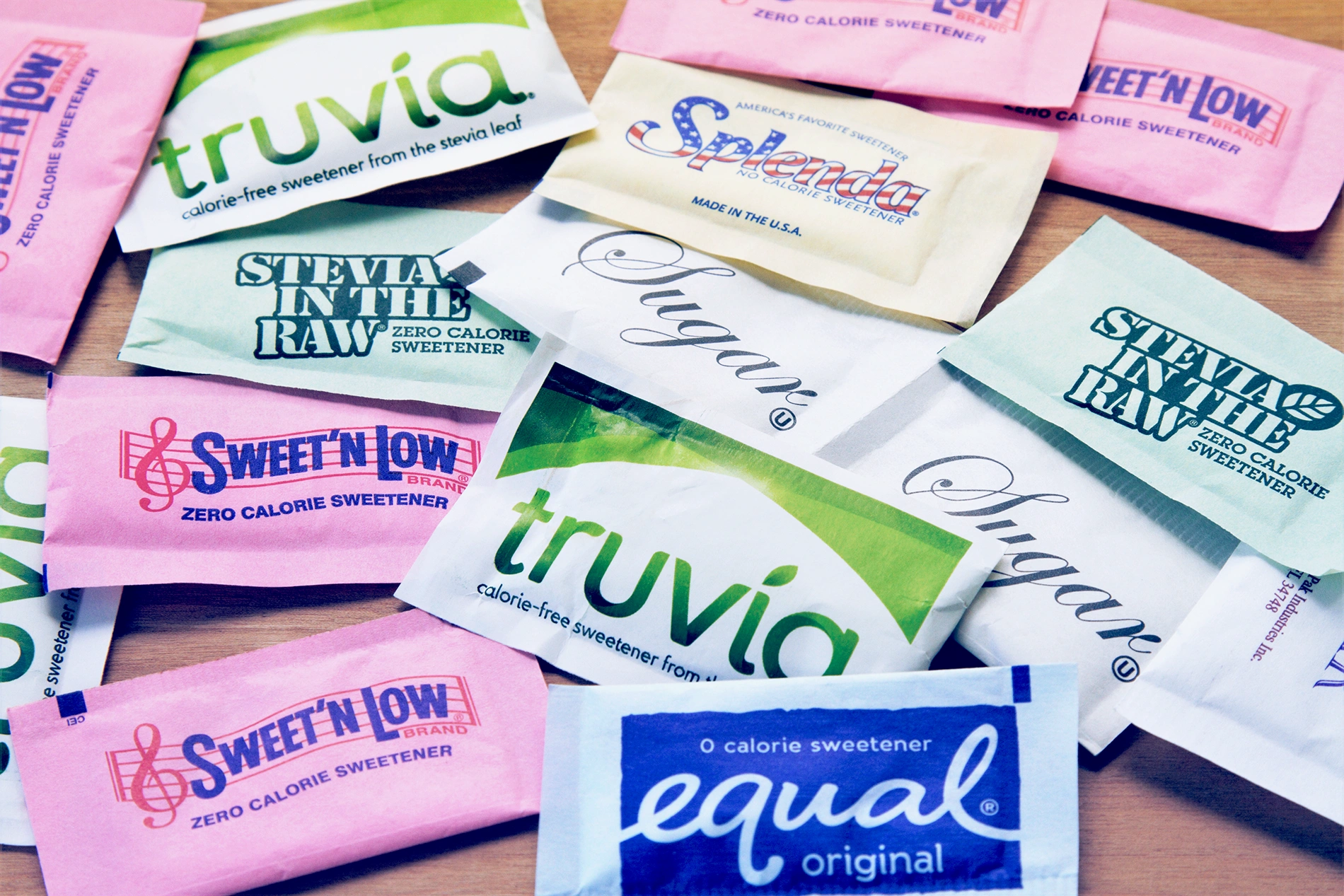
Replacing sugary foods with low-calorie sweeteners led to greater weight loss maintenance over 1 year without negatively impacting cardiometabolic health.
Overview
- What did they test? In this study, the researchers tested the effects of using low-calorie sweeteners (LCS) as a replacement for sugar on weight loss maintenance, the composition of the gut microbiome, and markers of cardiometabolic health 10 months after an initial weight loss of >5% of body weight.
- What did they find? Individuals in the LCS group maintained 1.6 kg greater weight loss at 1 year following a healthy ad libitum diet compared to the sugar group. There were no differences in cardiometabolic health risk factors between groups, but the researchers did report distinct changes in the gut microbiota between groups and greater gastrointestinal symptoms in the LCS group.
- What does it mean for you? There has been a lot of controversy surrounding the effectiveness of LCS for weight loss and weight loss maintenance. This study showed that utilizing LCS as a part of a healthy dietary pattern led to significantly greater weight loss maintenance when compared to individuals following a healthy dietary pattern who did not utilize LCS. These findings provide further evidence supporting the use of low-calorie sweeteners as a replacement for sugar for long-term weight management.
What’s the Problem?
The high prevalence of overweight and obesity continues to be a pressing public health issue, and added sugars are one of the main dietary components that are associated with obesity 1. Despite recommendations to limit added sugar to <10% of total energy intake, adults in Western countries continue to exceed that amount.
One of the possible solutions is encouraging a replacement of added sugars with low-calorie sweetener alternatives. While this strategy has been shown to be effective for reducing sugar and calorie intake 2, there is concern about the impact that these sweeteners have on the gut microbiota and cardiometabolic disease risk 3 4.
Some recent large cohort studies have shown associations between the consumption of low-calorie sweeteners and risk of cardiometabolic diseases 3. However, given the nature of these studies, it is unclear if these associations are causal or just due to chance.
While there is evidence supporting the use of low-calorie sweeteners for supporting weight loss, there is a lack of long-term studies examining the effect of these sweeteners on the composition of the gut microbiota or cardiometabolic health.

Purpose
Controversy remains surrounding the use of low-calorie sweeteners for weight loss and overall health. Previous studies show their potential for assisting with weight loss and weight loss maintenance, but there remains concern about their impact on the gut microbiota and cardiometabolic health.
Therefore, the purpose of this study was to examine the effect of replacing sugary foods with LCS alternatives on long-term weight loss maintenance, markers of metabolic health, and the composition of the gut microbiome.
If you would like to continue reading...
New from Biolayne
Reps: A Biolayne Research Review
Only $12.99 per month
- Stay up to date with monthly reviews of the latest nutrition and exercise research translated into articles that are easy for anyone to understand.
- Receive a free copy of How To Read Research, A Biolayne Guide
- Learn the facts from simplified research
About the author

Adrian Chavez
Adrian has a Master's degree in Exercise Science and a Ph. D. in Nutrition and Health Promotion from Arizona State University where he specialized in how to apply lifestyle change to improve cardiovascular and metabolic health in diverse populations. After graduating with his Ph. D. he started a coaching business and over nearly a decade...[Continue]
More From Adrian