
FROM THE STUDY
Eating a diet full of sweet foods doesn’t impact sweet taste preference, energy intake, or health.
Overview
- What did they test? The researchers tested the effects of dietary sweet exposure on sweet taste preferences and health outcomes. Participants in the study were assigned diets that provided either low, medium, or high sweet exposure and were matched for energy intake for six months. Sweet taste liking, food choice, energy intake, body weight, and markers for diabetes and cardiovascular disease were assessed before and after the intervention.
- What did they find? The results of this study showed that following a high-sweet diet did not impact sweet taste perception, calorie intake, food choice, body weight, or markers of diabetes or cardiovascular disease. They also showed that participants went right back to their normal sweet consumption habits after modifying their sweet intake for six months.
- What does it mean for you? There is a common belief that consuming a diet higher in sweet-tasting foods leads to a lower perception of sweet taste and an increased preference for those foods. This has led to numerous dietary recommendations to include reducing the overall sweetness of the diet.
Despite the popularity of this advice, these recommendations are not supported by strong human research. The results of the current study showed that consuming a diet with a higher sweetness level did not impact sweet taste liking, food intake, sugar intake, or any other markers of food intake or health. These findings suggest that recommendations to reduce dietary sweetness may not be as useful as once thought.
What’s the Problem?
The recommendation to reduce the sweetness of the diet is very common and has been made by many large organizations, including the World Health Organization, Health Canada, and the UK's National Health Service 1. However, there is a lack of controlled human research examining the impact of dietary sweet exposure on sweet taste preference, sugar intake, energy intake, and health outcomes 2. This recommendation is often made based on extrapolating research from salt exposure or by applying broad associations between obesity and sugar intake. The recommendation has not been based on human research studies.
Purpose
It is frequently assumed that high consumption of sweet foods increases sweet taste preference and drives increased energy intake. However, there is a lack of controlled human research to support these assumptions. Therefore, the purpose of this study was to test the impact of three dietary exposures: low sweet exposure (LSE), medium sweet exposure (MSE), and high sweet exposure (HSE) on sweet taste preference, energy intake, obesity, and markers of cardiovascular and metabolic health.
Hypothesis
The null hypothesis was that liking for sweet foods and sweet beverages would not change from baseline to six months, regardless of dietary sweet exposure.

What Did They Test and How?
Participants
One hundred eighty healthy participants aged 18-65 years of age with a BMI of 18.5-30 kg/m2 were recruited to participate in the study. Participants were excluded from the study if they had elevated glucose (self-reported diabetes; fasting glucose ≥6.1 mmol/L; or nonfasting glucose ≥7.8 mmol/L), >3 kg unintended weight change in the past three months, disordered eating, took medication that could impact study outcomes, had food allergies that would prevent them from eating the study food, were pregnant or lactating, or drank alcohol excessively (>14 drinks/week).
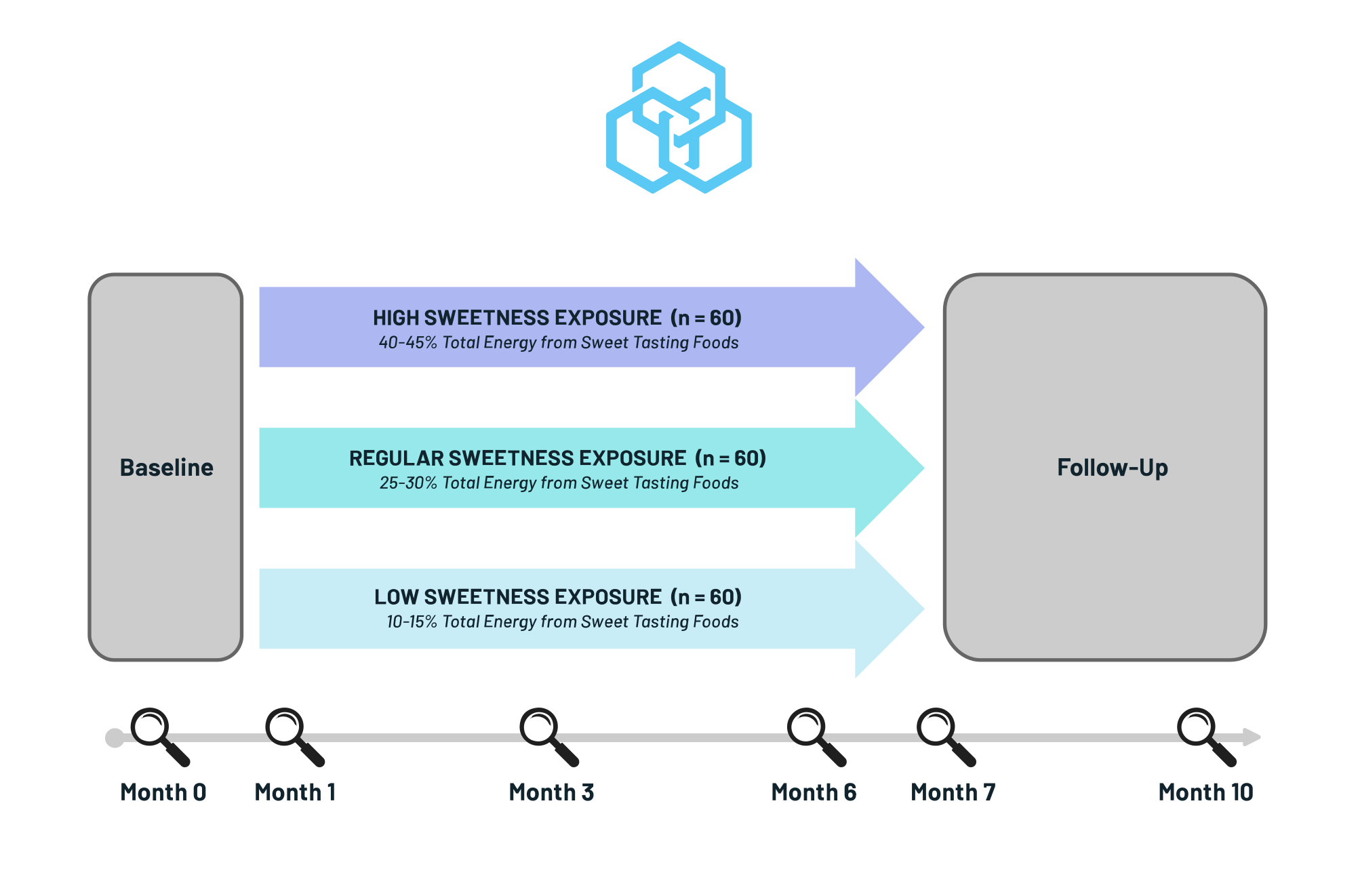
Figure 1
Study Procedures
This study was a 6-month randomized controlled intervention trial with three study arms (Figure 1). All assessments were conducted at baseline at months 1, 3, and 6 of the intervention, and at months 7 and 10 after completion of the intervention. At each testing phase, sweet taste liking, sweet perception, sweet food choice, energy intake, sugar intake, body composition, and cardiovascular and metabolic health markers were assessed.
After baseline testing, participants were then randomized to six weeks on either a low, medium, or high sweet-taste exposure diet.
If you would like to continue reading...
New from Biolayne
Reps: A Biolayne Research Review
Only $12.99 per month
- Stay up to date with monthly reviews of the latest nutrition and exercise research translated into articles that are easy for anyone to understand.
- Receive a free copy of How To Read Research, A Biolayne Guide
- Learn the facts from simplified research
About the author

Adrian Chavez
Adrian has a Master's degree in Exercise Science and a Ph. D. in Nutrition and Health Promotion from Arizona State University where he specialized in how to apply lifestyle change to improve cardiovascular and metabolic health in diverse populations. After graduating with his Ph. D. he started a coaching business and over nearly a decade...[Continue]
More From Adrian