FROM THE STUDY
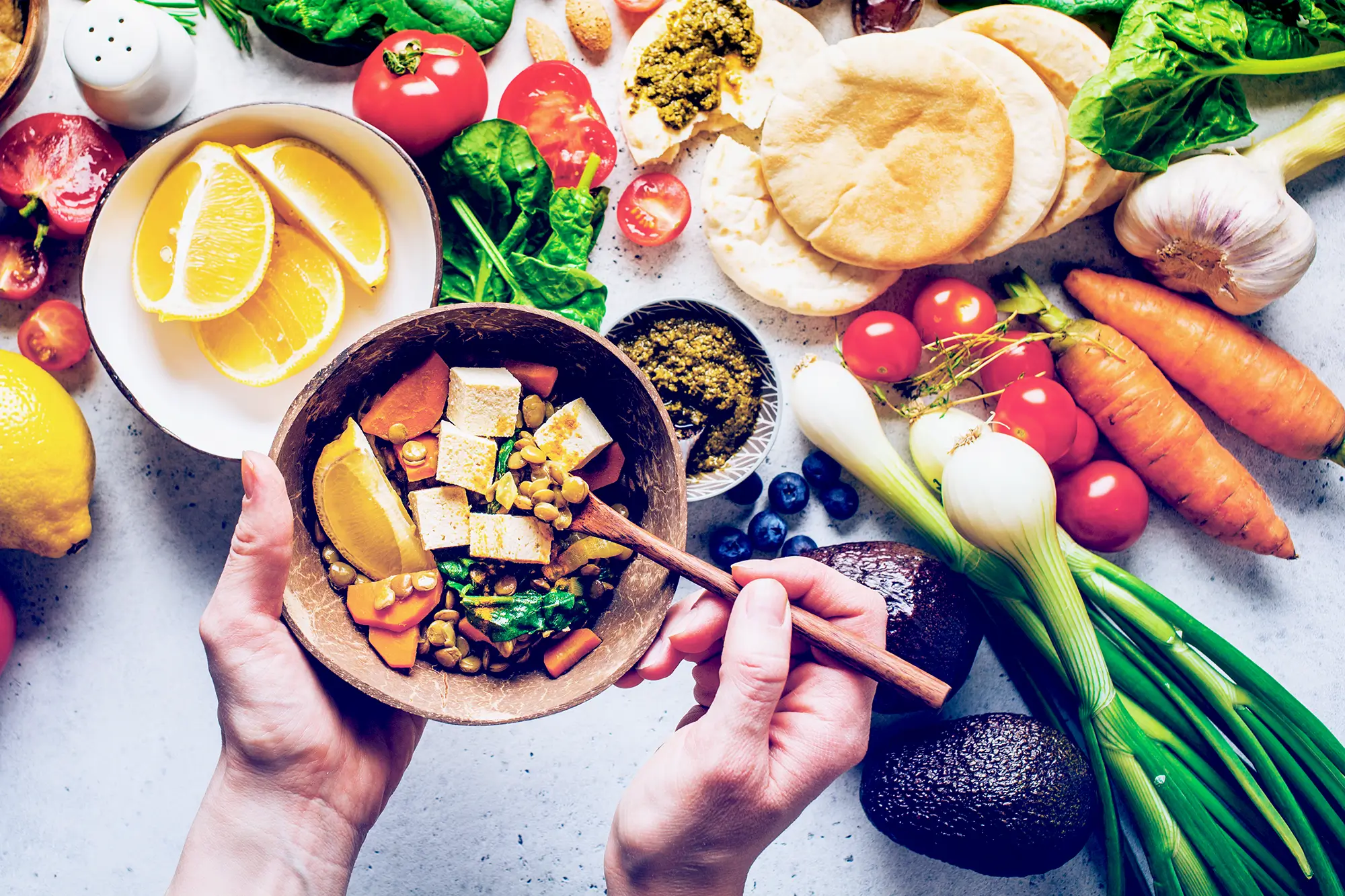
A vegan diet leads to muscle mass loss in older adults, and resistance exercise partially mitigates these effects.
Overview
- What did they test? In this study, researchers compared the effects of following a self-selected vegan (VEG) diet versus an omnivorous diet (OMN), and a VEG diet plus resistance training (VEG+RT), on muscle mass, strength, and muscle protein synthesis in older adults.
- What did they find? Participants in the VEG and VEG+RT groups had significantly lower protein intake than the OMN group. The VEG group showed a significant reduction in thigh muscle volume and appendicular lean mass compared to the OMN and VEG+RT groups. Muscle Protein Synthesis was also lower in the VEG group than in the OMN and VEG-RT groups, while both VEG groups showed reductions in weight and visceral adipose tissue.
- What does it mean for you? The self-selected vegan diet led to lower protein intake, resulting in muscle loss in the group that did not engage in resistance training but not in the group that did. These findings suggest that adopting a vegan diet without emphasizing adequate protein intake can lead to muscle loss, and these effects are largely mitigated by resistance exercise.
What’s the Problem?
Recently, there has been a strong push towards plant-based diets to improve population health and due to their lower environmental impact compared with diets that include more animal foods 1. While these recommendations are made with good intentions, following a vegan diet can lead to inadequate protein intake and make it difficult to meet the needs of specific nutrients, especially for individuals at high risk of sarcopenia such as older adults 2.
If public health agencies are encouraging people to follow a more plant-based or vegan diet, it is important to understand how this dietary change can affect nutrient intake and muscle mass, especially in older adults at high risk of sarcopenia. To date, there is a lack of research examining the real-world impact of this dietary change.
Purpose
The purpose of this study was to compare the effects of following a self-selected vegan diet (VEG) to an omnivorous diet (OMN), and a vegan diet combined with resistance training (VEG+RT) on protein intake, muscle mass, strength, and muscle protein synthesis in older adults.
Hypothesis
The authors hypothesized that following a vegan diet would lead to reduced protein intake and a reduction in muscle mass that would not be observed in individuals who continue an omnivorous diet or who adopt a vegan diet alongside resistance training.
What Did They Test and How?
Participants
This study included 72 healthy older adults aged at least 65 years, with a BMI between 23 and 32 kg/m2, who ate meat at least 5 days per week. Participants were excluded if they followed a vegetarian or vegan diet within 6 months of the start of the study, were following a high (≥1.2 g/kg/d) or low (<0.8 g/kg/d) protein diet, were taking protein supplements, participated in structured resistance exercise in the 3 months before the study, or had a major health condition such as diabetes, neuromuscular disease, kidney disease, etc.
Study Procedures
Experimental Design
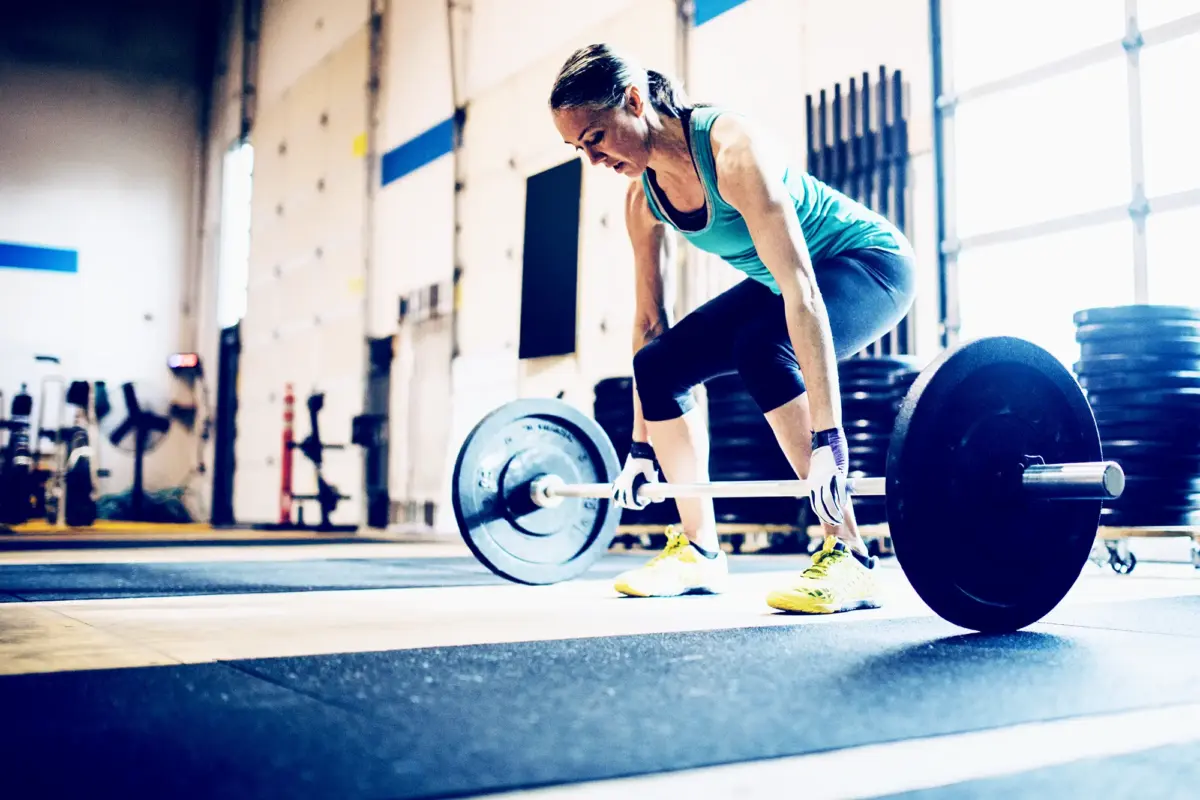
At the start of the study, participants were randomly assigned to either 1) adopt a self-selected vegan diet (VEG), 2) continue consuming their habitual omnivorous diet (OMN), or 3) adopt a self-selected vegan diet and follow a resistance training program (VEG+RT). The study lasted 12 weeks, and measurements were performed at baseline and after 6 and 12 weeks. The primary outcome was thigh muscle volume, assessed by MRI, and the secondary outcomes were appendicular lean mass, body mass, thigh muscle strength, thigh muscle fat infiltration, abdominal fat, liver fat, muscle protein synthesis, and dietary intake.
Resistance Training Program
If you would like to continue reading...
New from Biolayne
Reps: A Biolayne Research Review
Only $12.99 per month
- Stay up to date with monthly reviews of the latest nutrition and exercise research translated into articles that are easy for anyone to understand.
- Receive a free copy of How To Read Research, A Biolayne Guide
- Learn the facts from simplified research
About the author
Adrian Chavez
Adrian has a Master's degree in Exercise Science and a Ph. D. in Nutrition and Health Promotion from Arizona State University where he specialized in how to apply lifestyle change to improve cardiovascular and metabolic health in diverse populations. After graduating with his Ph. D. he started a coaching business and over nearly a decade...[Continue]
More From Adrian